Why Do Cut Flower Stems Bend? The Science of Geotropism, Hydration, and Stem Strength
6 min read
Cut flower stems bend because they are still growing in response to gravity or light, losing water pressure, or struggling to support the bloom. A firm, curved stem needs different care from a limp neck or a crushed stalk, so check the shape and feel before trying to straighten it.
Jakub Nowicki · first published · revised
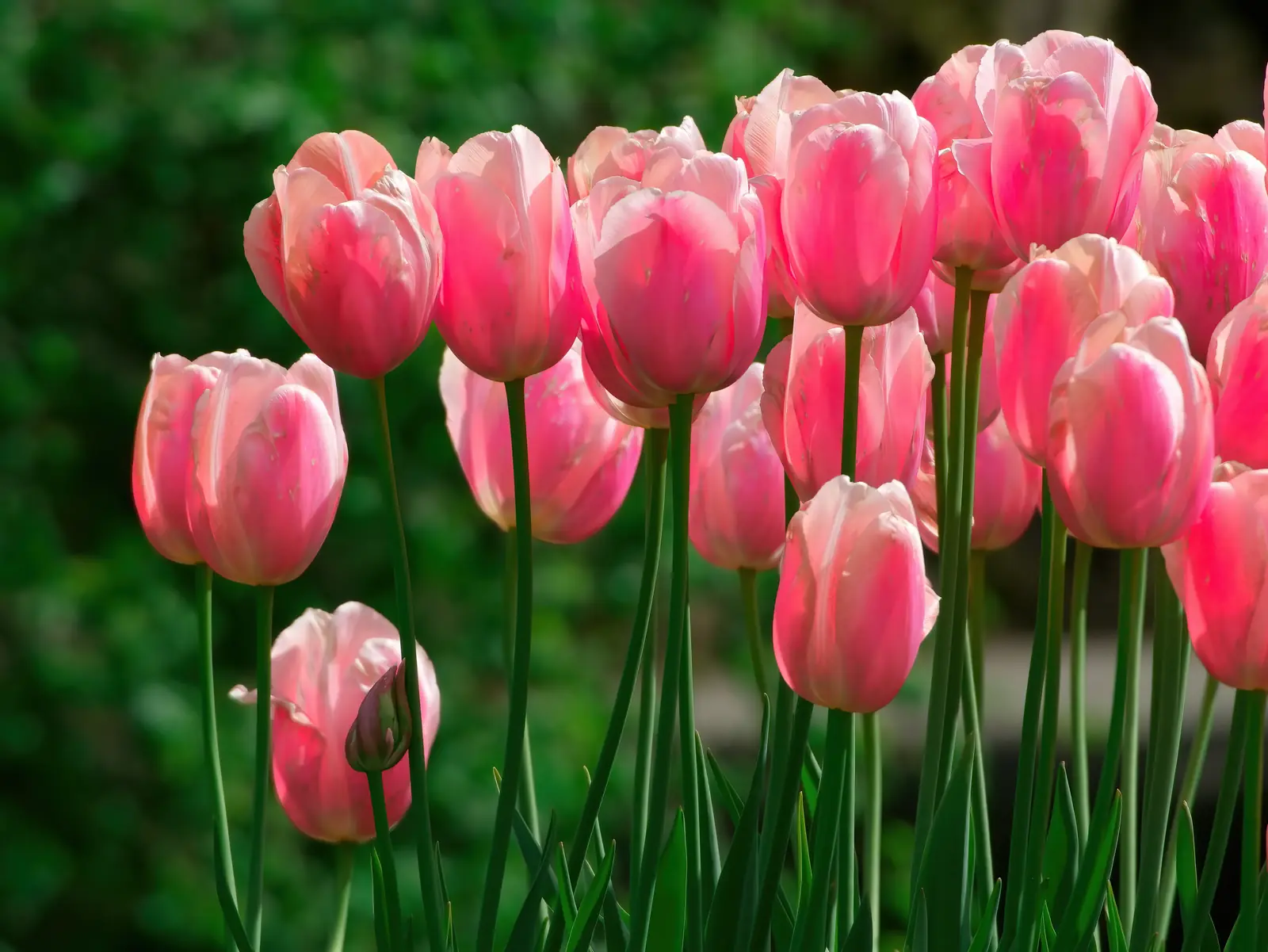
The elegant problem of a bending stem
It is disappointing to arrange a fresh bunch beautifully and find several heads hanging by breakfast. Before blaming the flowers, look closely. A tulip making a smooth arc, a rose with a soft neck and a stem creased by its packaging are three different problems.
Start with the stem rather than the vase. Is the curve gradual or sharply folded? Are the leaves firm? Did the bunch spend time lying on a warm packing bench? Those observations give you a more useful starting point than treating every bend as thirst.
| What you see | Possible explanation | First check |
|---|---|---|
| A firm spike curving upward | Growth response after horizontal handling | Orientation and temperature during storage |
| A soft neck beneath a rose | Water uptake failing to meet demand | Stem end, water cleanliness and time out of water |
| A sharp crease or split | Mechanical damage | Packaging pressure and handling |
| A firm tulip changing position | Continued growth and responses to its surroundings | Light direction, vase support and overall freshness |
Geotropism: how cut stems still read gravity
Geotropism, also called gravitropism, means growth in response to gravity. Shoots generally grow upward, away from gravity, while roots usually grow downward. Cutting a flower does not immediately stop the living tissues in its stem from responding.
When one side of a growing stem elongates more than the other, the stem curves. Gravity sensing and the distribution of the plant hormone auxin help coordinate that response. Wikipedia’s article on gravitropism gives a general introduction to the terminology; for handling decisions, crop-specific postharvest guidance is more useful.
Phototropism is different: it is growth in response to light. A flower leaning toward a bright window and a spike turning upward after lying flat may therefore be responding to different cues. Neither movement automatically means the stem is dying.
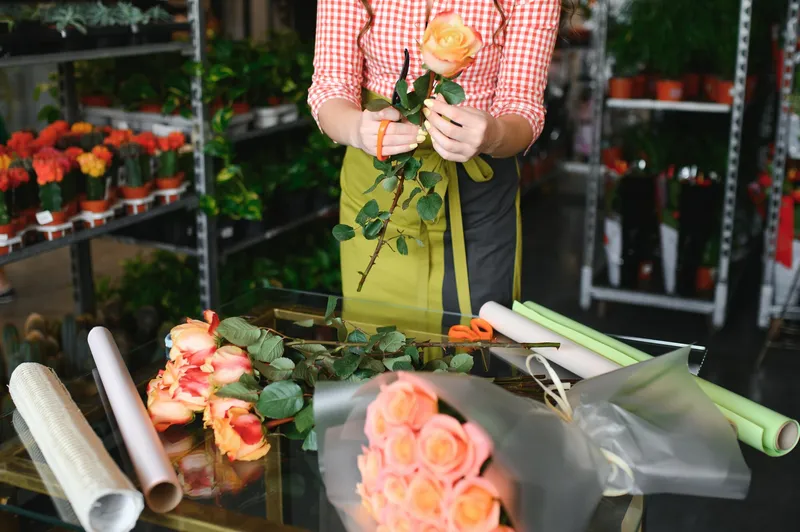
Why horizontal storage can create curved stems
The UC Davis snapdragon factsheet warns that warm, nonvertical handling can cause a permanent upward bend even over a short period. Its practical recommendation is upright storage and shipping at low temperatures. A cool delivery vehicle does not cancel out time spent sideways in a warm loading area.
There is a useful exception to understand. The UC Davis gladiolus factsheet explains that sufficiently low temperatures suppress the gravity response, allowing refrigerated horizontal transport under the described conditions. That does not make a horizontal box suitable for an unrefrigerated afternoon. Match the method to the flower and the actual temperature history.
Hydration: the hidden hydraulics of vase life
Water travels through the stem’s xylem to replace moisture lost by leaves and flowers. Inside living cells, water pressure helps keep soft tissues firm. When uptake falls behind water loss, the stem may become limp, even while its cut end sits in a full bucket.
The route can be obstructed by microorganisms, damaged tissue or air in the water-conducting system. Warm surroundings and direct sun can also increase demand. This is why adding more water without checking the container, cut end and display position may achieve little.
The UC Davis Postharvest Technology Center provides crop factsheets covering storage and handling. Use the guidance for your particular flower: a temperature suitable for a temperate crop should not be assumed safe for a chilling-sensitive tropical cut.
The classic “bent neck”
A rose drooping just below its head may have bent neck: the upper tissues are not receiving enough water to remain firm. Begin with a clean container, fresh solution and a fresh cut made with a sharp, clean tool. Remove foliage that would sit below the water and follow any flower-food instructions accurately.
Do not promise a recovery. A crushed neck or badly deteriorated stem may not respond, and forcing it straight can damage it further. For the preparation routine, see Post-Harvest Care: Why the First Hours Decide a Flower’s Vase Life. Our guide to flowers wilting too soon helps you check the surrounding conditions too.
Stem strength: nature’s engineering under load
A long stem carrying a large bloom has a harder job when most of its length extends beyond the vase rim. Support matters as well as hydration. Choose a stable vessel that supports the intended arrangement without squeezing the stems into a tight bundle.
For example, a tall stem leaning far over the edge of a low bowl can place a heavy load on one small contact point. Shortening the usable stem or choosing a taller vessel may suit the design better. That is an arrangement decision, not a treatment for damaged tissue.
Growers also need to assess cultivar, growing conditions and harvest maturity. Longer is not automatically stronger. How Light Levels Affect Stem Length, Bloom Size, and Color in Cut Flowers explains why light needs to be considered alongside the crop and season.
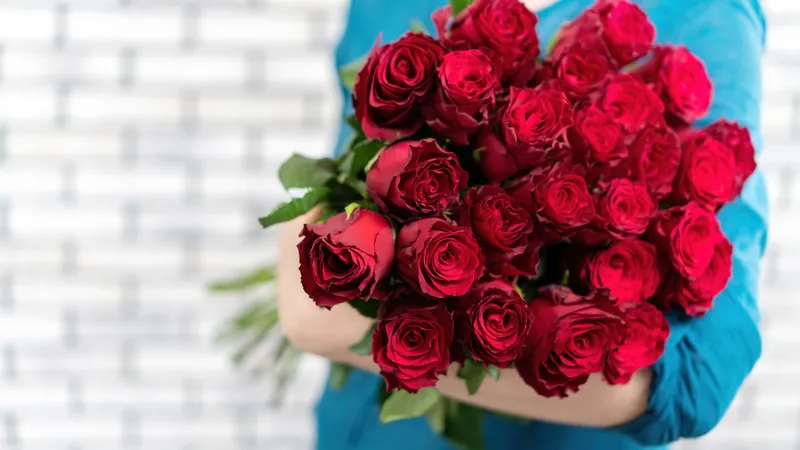
Why different flowers bend in different ways
Tulips can continue growing and changing position in a vase. Give a healthy, firm bunch room to move rather than expecting every stem to hold the same line for days. Season and maturity also shape your expectations; see What “Seasonal” Really Means for Cut Flowers, and How City Florists Source Them.
With gerberas, inspect the stem for softening, damage and loss of support instead of assuming every droop has the same cause. With snapdragons and gladioli, ask how the spikes were held during transport. The visible bend is a clue, not a complete diagnosis.
For a florist receiving 30 stems, a useful example routine is to count and photograph any bends before conditioning, then check the same bunch again before sale. Record the arrival time and handling conditions. This separates damage already present from a change that developed on your premises; it is not a laboratory test.
My practical tip: take the first photograph against a plain wall, with the whole stem visible. A close-up of the flower head misses the curve that can explain the problem. Keep that photograph beside your delivery notes.
The Royal Horticultural Society’s guidance on cut flowers is a useful reference for careful cutting and conditioning. Clean tools, suitable support and prompt handling give a sound stem its best chance; none requires forcing a naturally curved flower into a rigid shape.
Common questions
Is geotropism the same as phototropism?
No. Geotropism is a growth response to gravity, while phototropism is a growth response to light. In cut flowers that continue to grow, such as tulips, both can occur at the same time and may produce complex curves.
Why do some flowers bend even when the vase is full of water?
Water in the vase does not guarantee water inside the stem. Blocked xylem, bacterial growth, air embolisms, damaged tissue, or high transpiration can all prevent adequate uptake. The problem is usually water movement inside the stem, even when there is plenty of water in the vase.
Are bent stems always a sign of poor quality?
No. Some bending is natural growth behavior, especially in flowers such as tulips or stems stored horizontally while still geotropically active. However, limp, collapsed, or sharply kinked stems can indicate dehydration, damage, or poor postharvest handling.
Can a bent flower stem become straight again?
A wilted but undamaged stem may recover some firmness after careful recutting and hydration. A permanent growth curve, crushed section or split stem is different. Do not force it straight. Recut above a damaged lower section if enough healthy stem remains, or choose another stem for a design that needs a straight line.